

Whether for small or large companies, sustainability is increasingly becoming a focus. This is due partly to the energy crisis and partly to new regulatory requirements.
Price increases, particularly for electricity and gas, are a significant concern for many companies. Cost pressure is forcing many firms to reconsider their strategies, and some even have to raise their prices to maintain profitability. Furthermore, new reporting requirements mean that the accounting sector must increasingly address the issue of sustainability.
Sustainability in Financial Accounting
How can a company become more sustainable? This question is increasingly occupying many firms. A mindful approach to resources can already make a significant difference. However, for a company to implement appropriate measures, it requires data. Financial accounting provides the foundation for numerous analyses. For instance, monthly advance payments are recorded, as is the annual electricity bill. This data can then be utilized for cost analyses.
Regarding reporting, small and medium-sized enterprises, in particular, have previously engaged little with the topic of sustainability. However, this will (have to) change in the future.
Sustainability Reporting
Firstly, external stakeholders are increasingly interested in how the company positions itself in this area, including banks and potential investors. This increases the pressure to report on relevant activities. Secondly, there are also legislative initiatives that will mandate corresponding reporting for small and medium-sized enterprises.
CSRD introduces more obligations
The EU has adopted additional reporting obligations with the CSRD (Corporate Sustainability Reporting Directive). For instance, these obligations apply to large companies – depending on the specific entity – as early as 2024 or 2025.
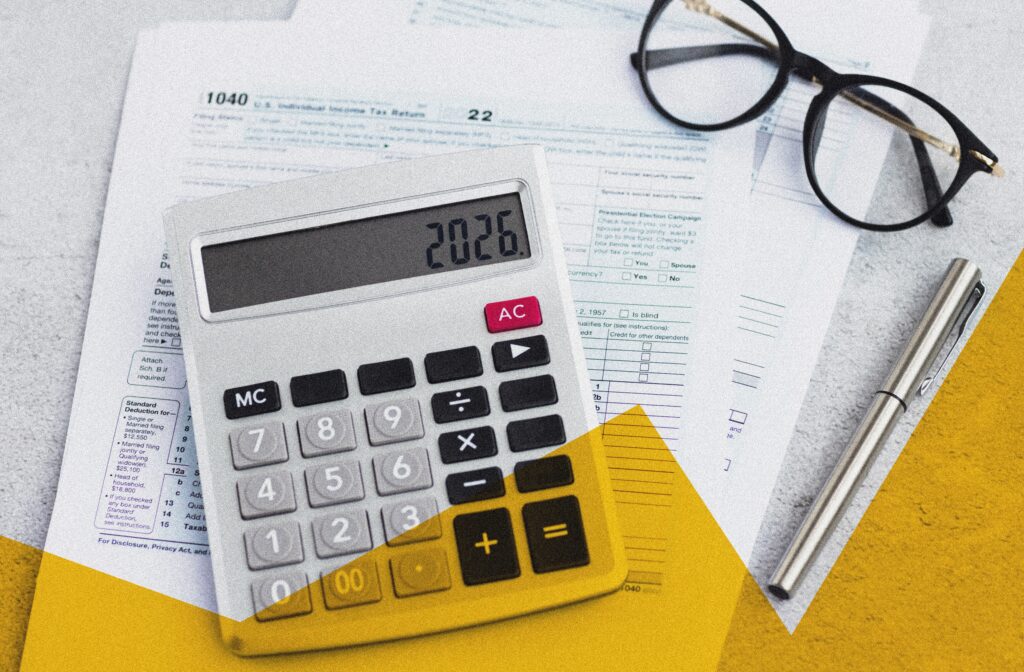
However, capital market-oriented small and medium-sized enterprises will also generally be required to report on sustainability from 2026. This reporting is to be included in the management report. A uniform reporting standard is also to be implemented. To this end, the EU plans to publish a corresponding taxonomy. In the future, sustainability reporting will be subject to external audit. The EU directive must still be transposed into national law, which must occur by mid-2024 at the latest.
Tip: Further information, such as the new regulations introduced by CSRD and which companies are affected, can be found in this overview or in the featured article by Prof. Dr. Stefan Müller on the Haufe Finance Topic Portal.
The future requirements are complex; as your partner in finance and accounting, we are ready to assist you in meeting these demands.
Image source: AdobeStock Photographer: Mongta Studio
Author

Sylvia Meier
Guest Author
Sylvia Meier is a certified financial economist (FH) and has worked at the tax office, in consulting (Big Four firm), and for a specialized publisher. Today, as a freelance consultant, she supports companies and can demonstrate numerous publications, particularly on the topics of taxes, controlling, accounting, and finance.
[button type=”flat” shape=”square” size=”large” href=”https://www.xing.com/profile/Sylvia_Meier6″ target=”blank” title=”Example”]Contact Us[/button]You might also be interested in these posts

February 7, 2023